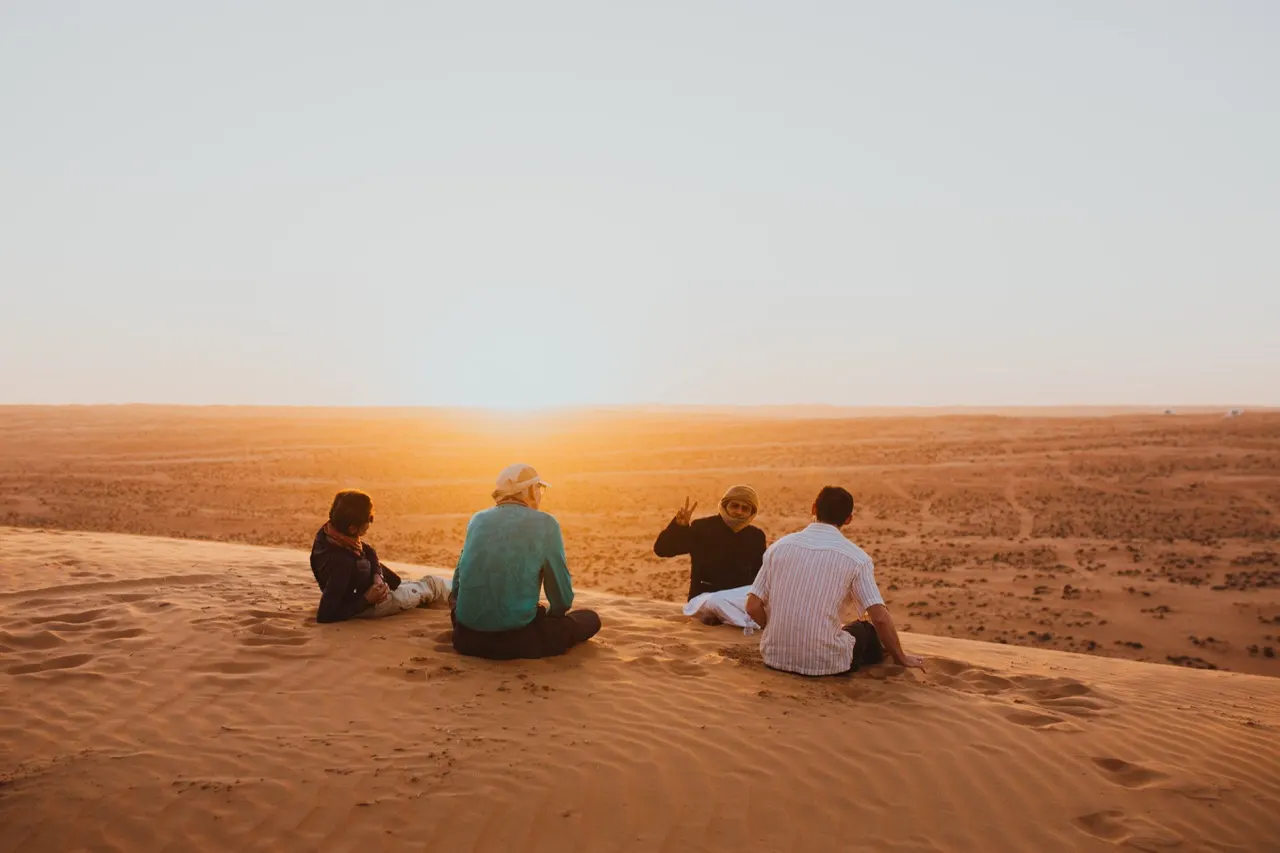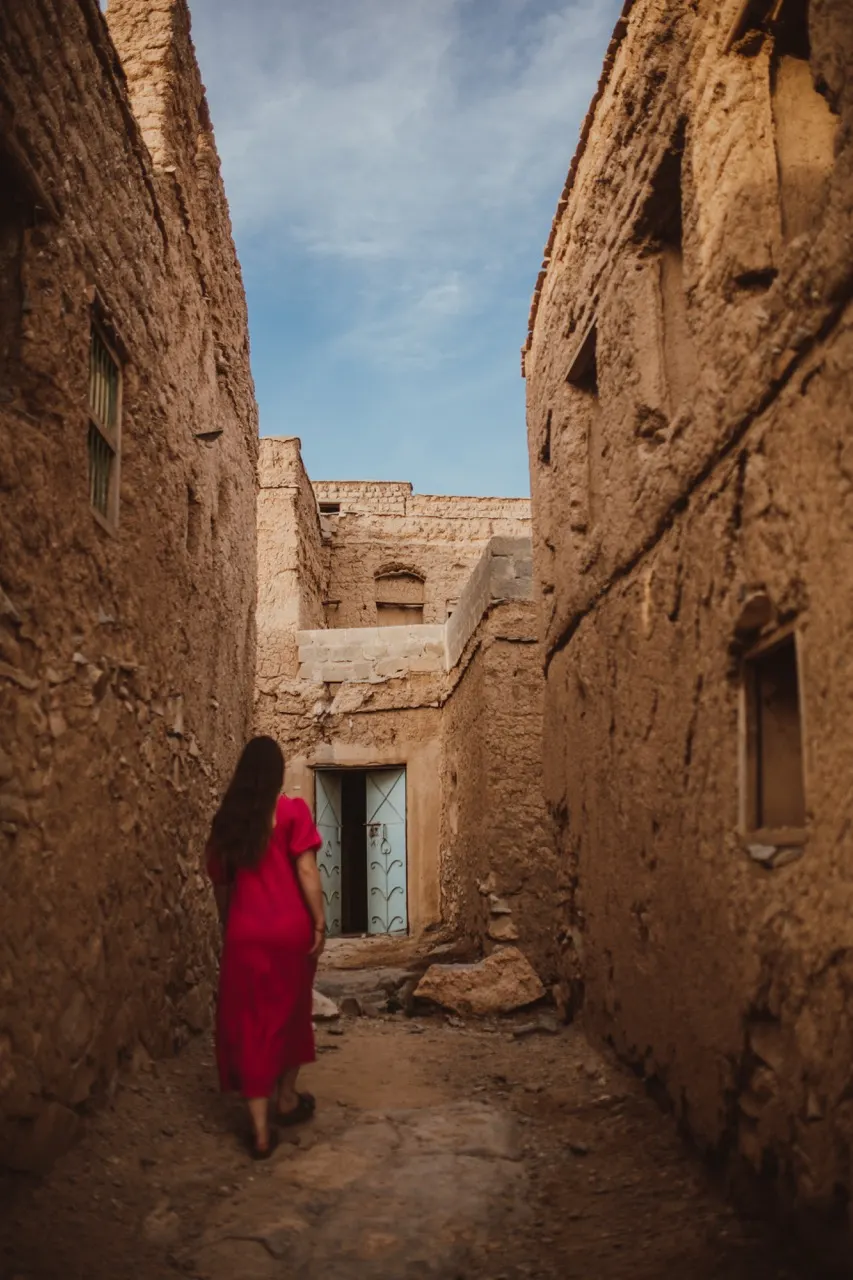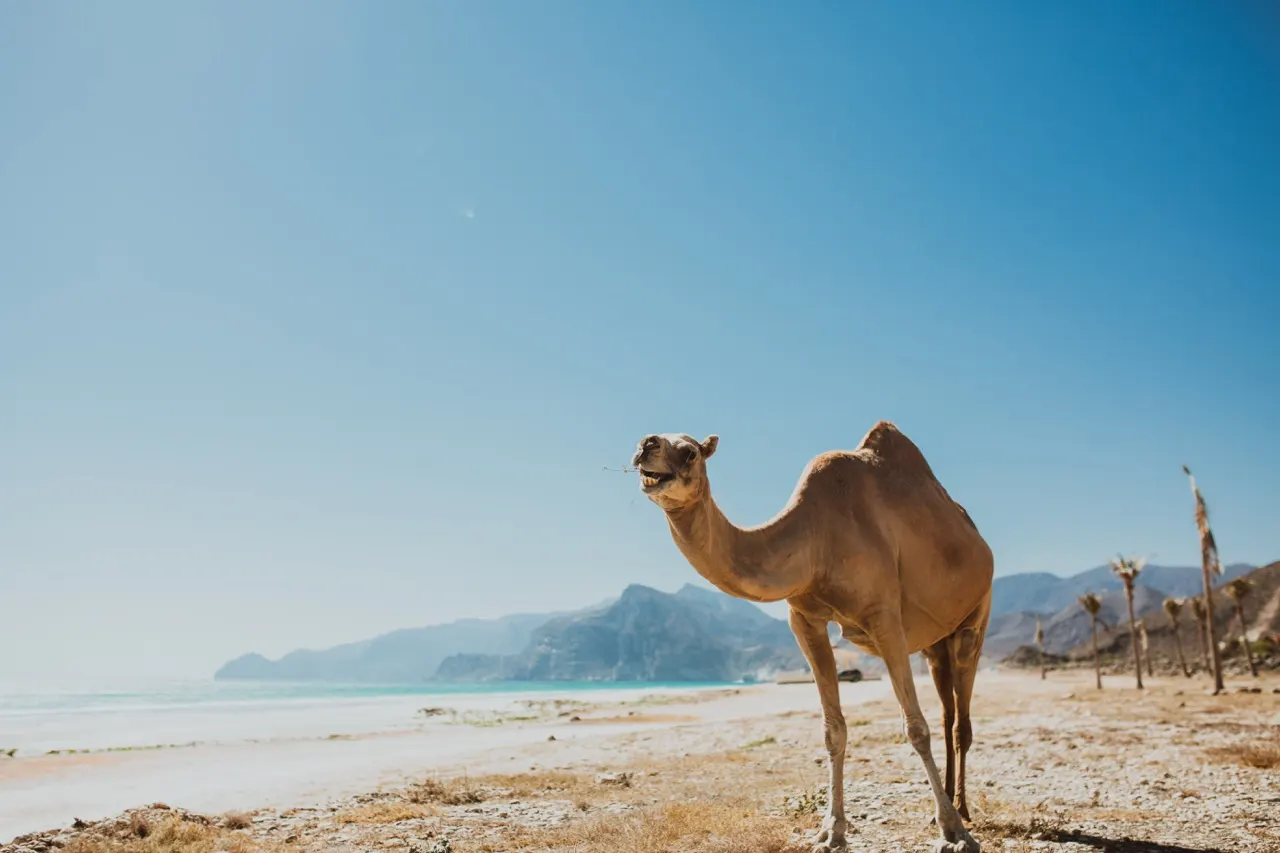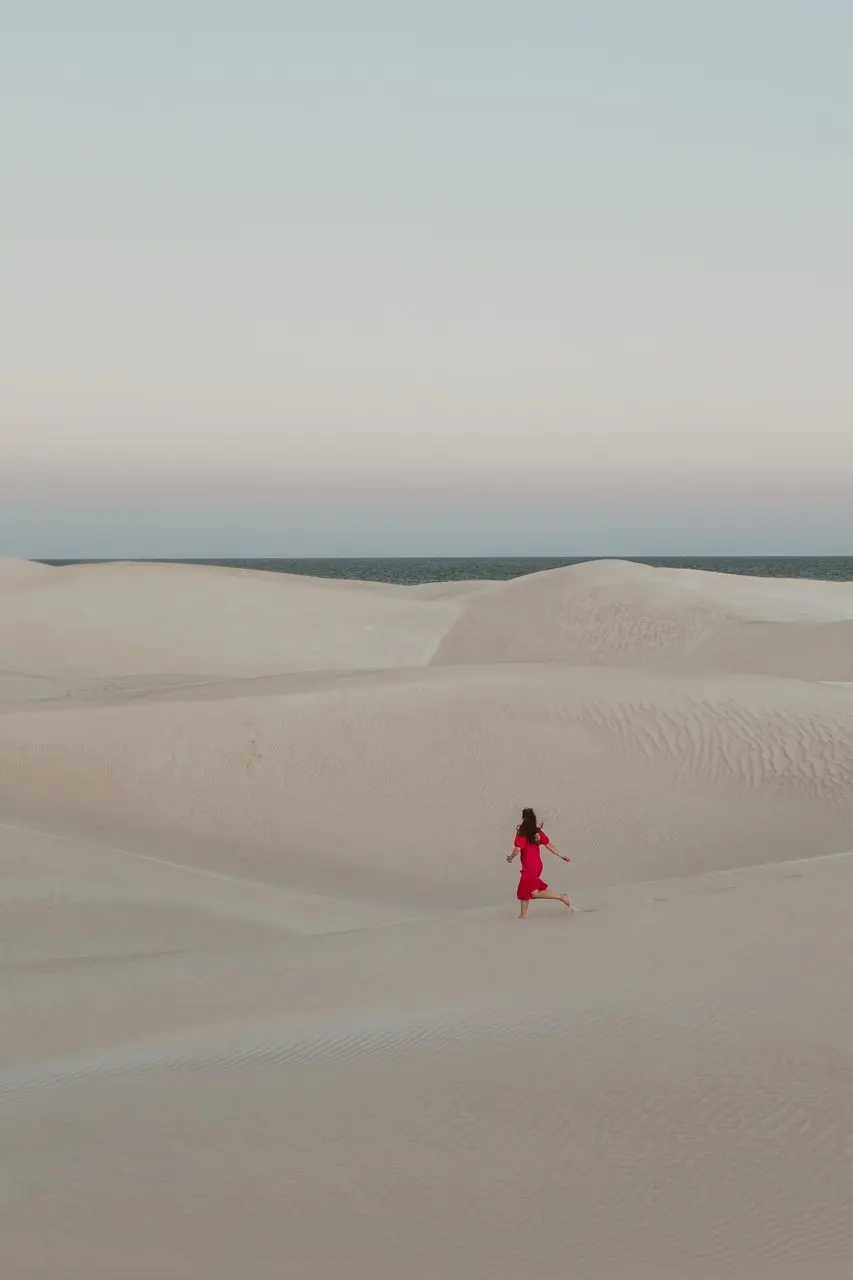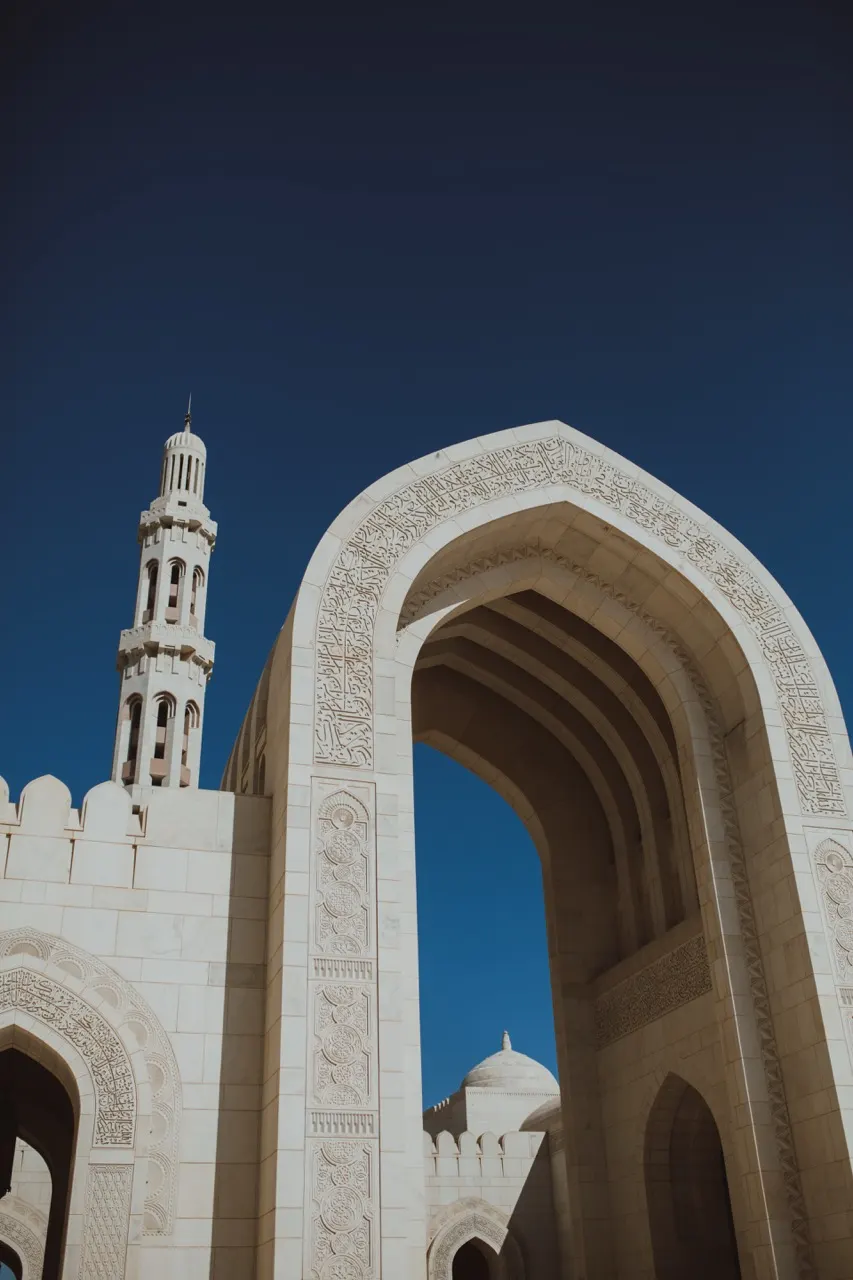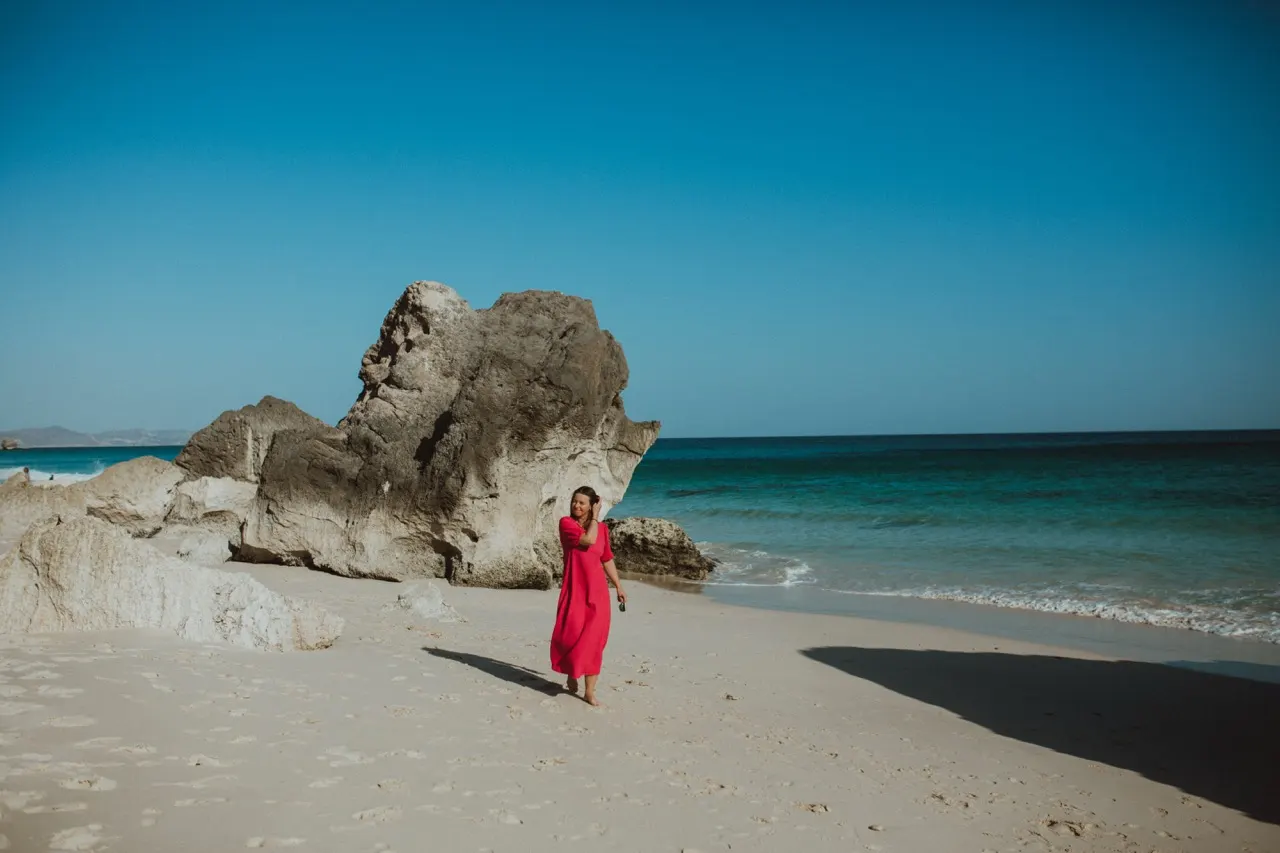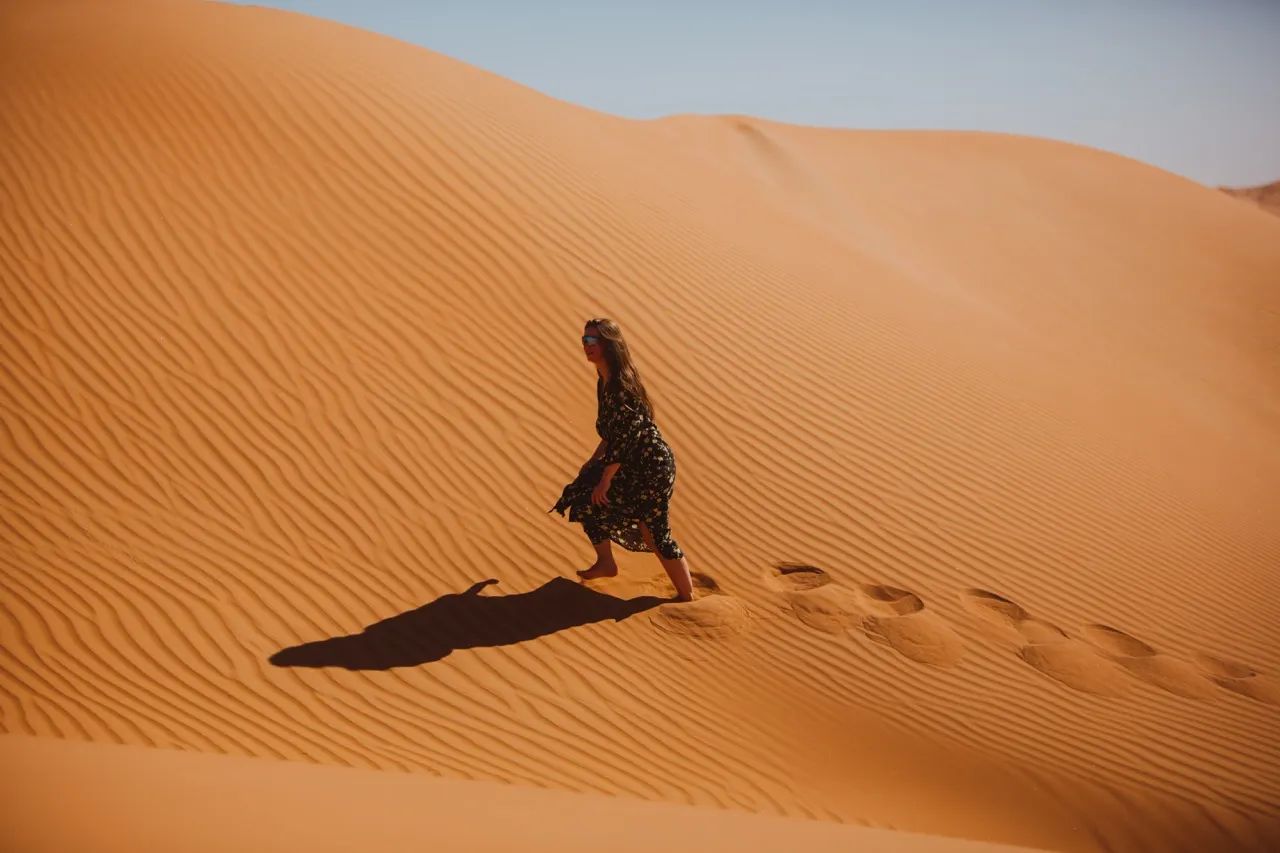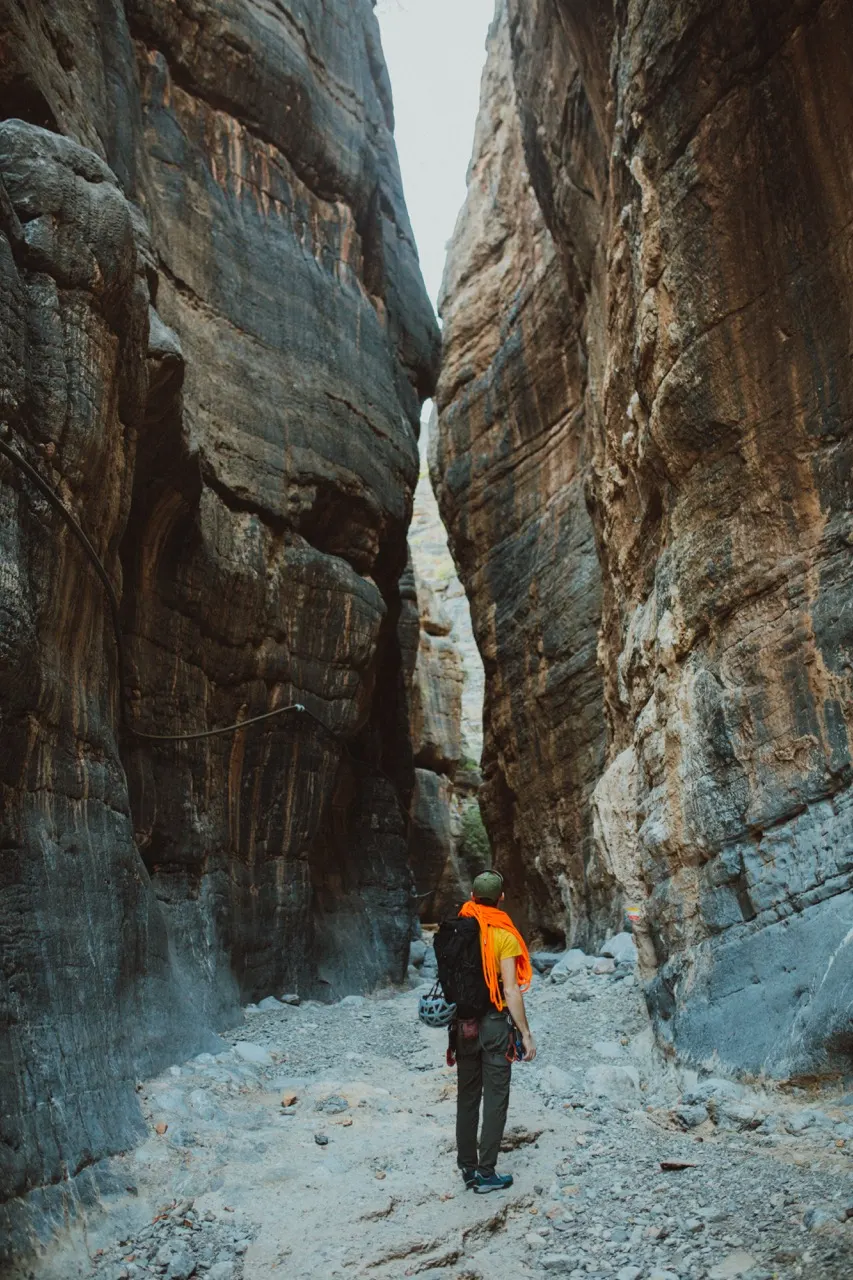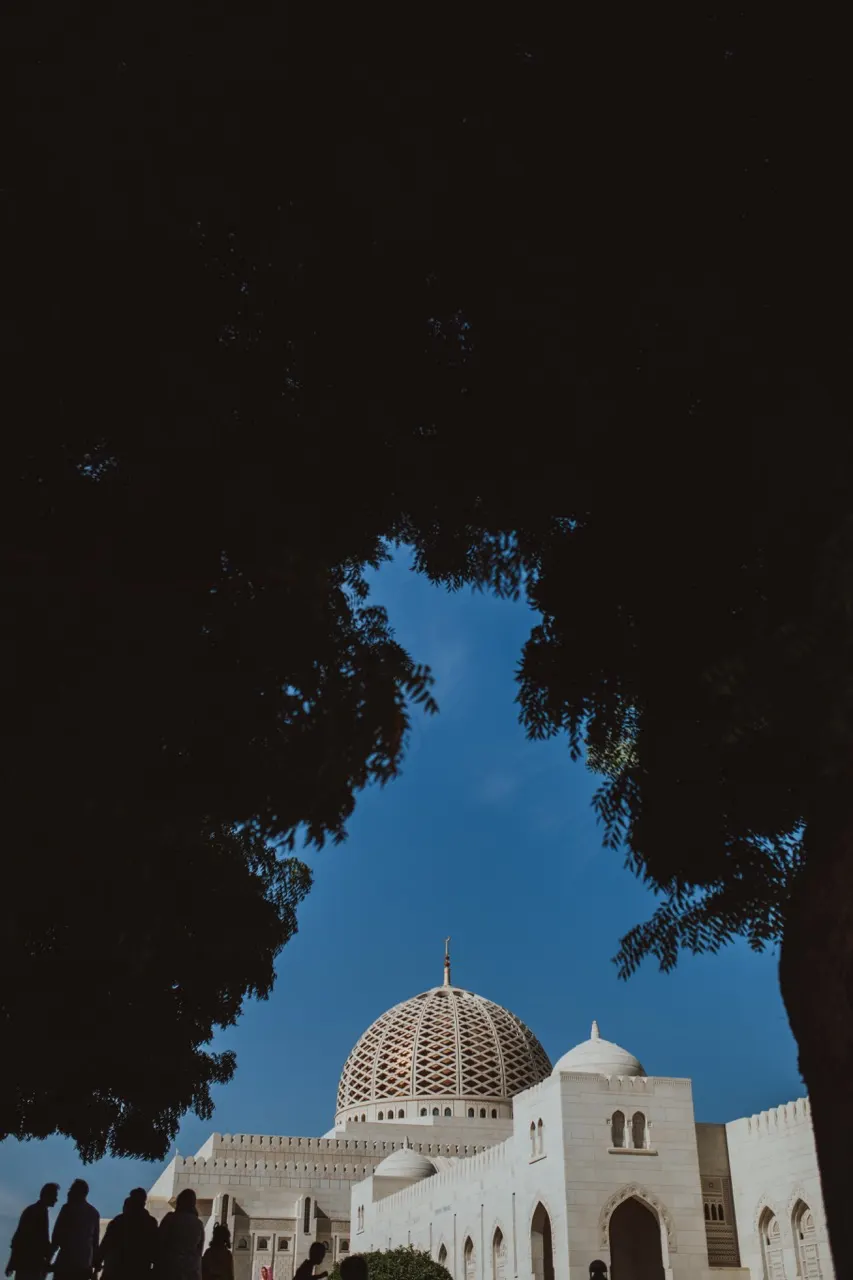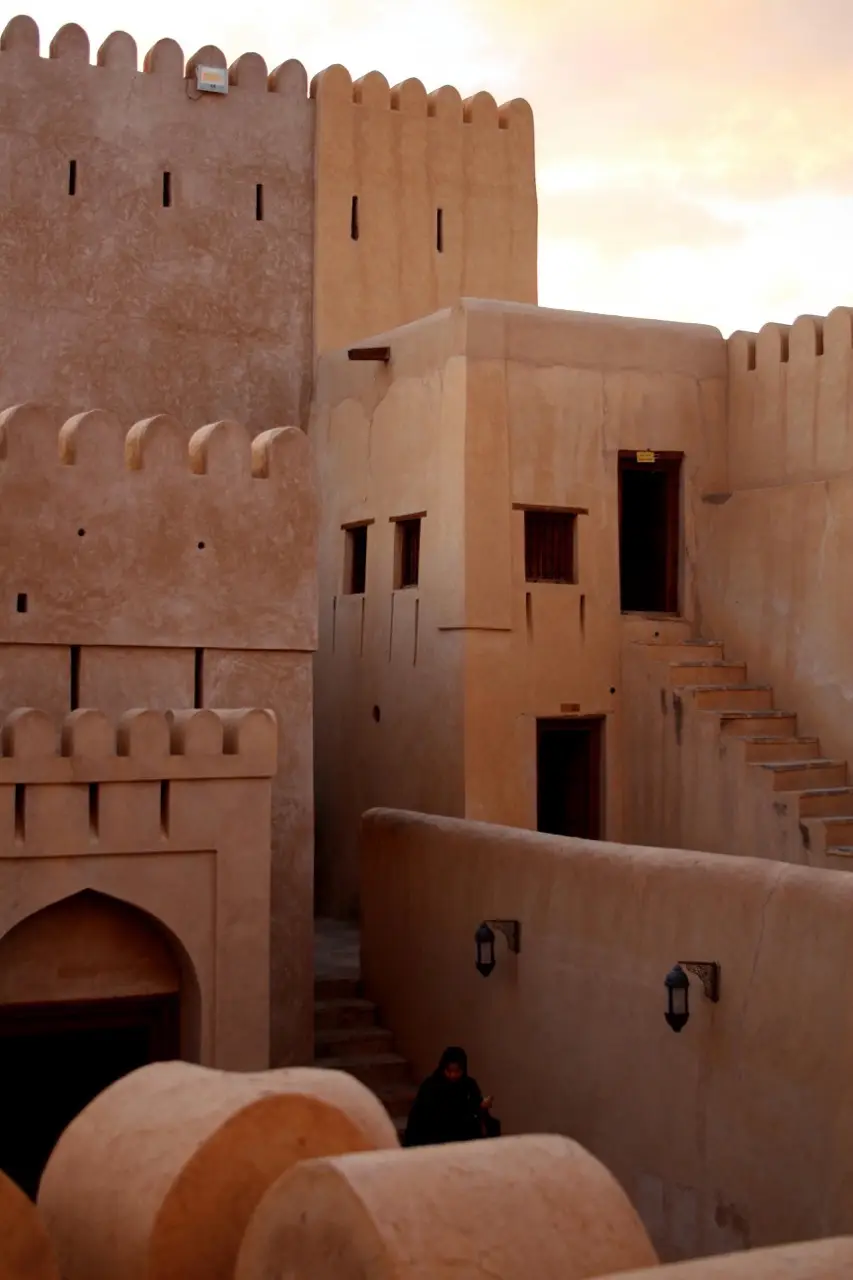
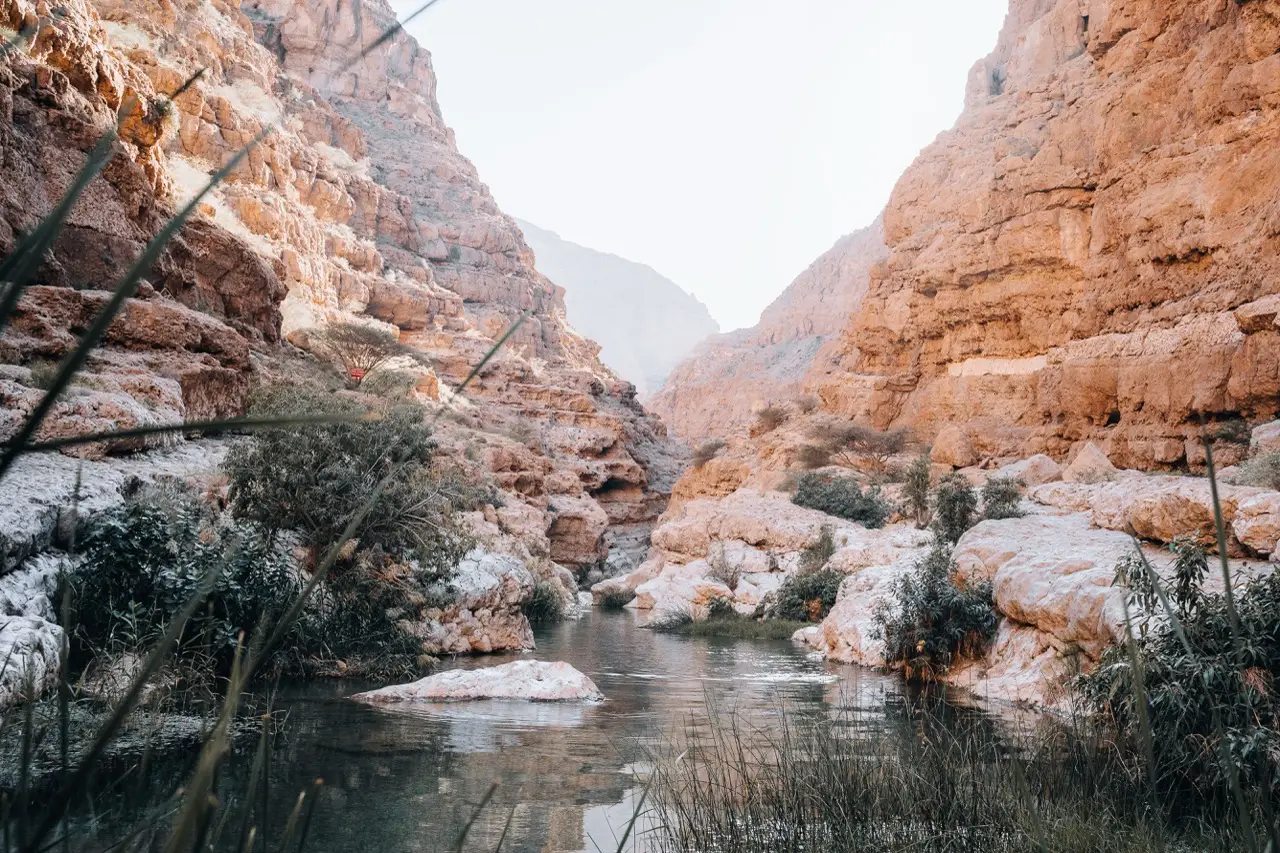
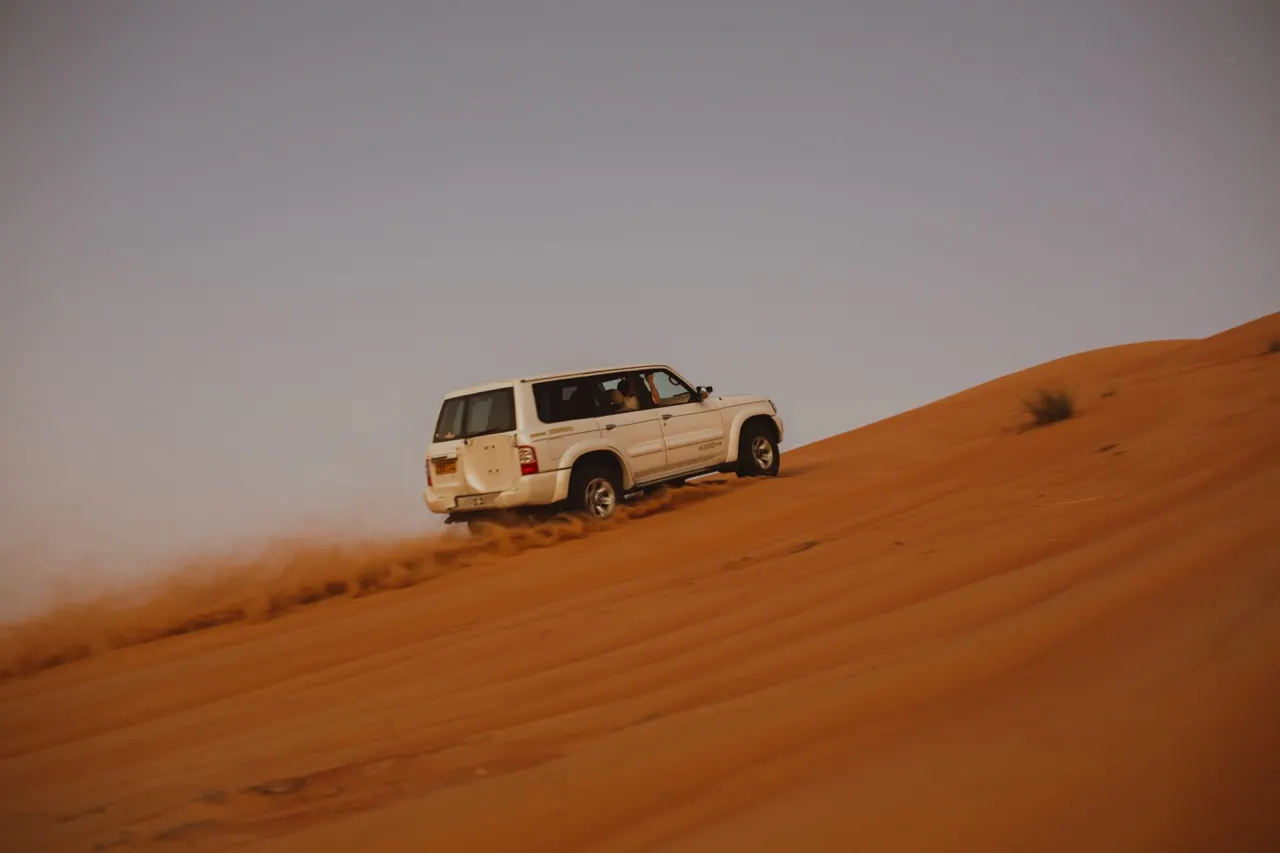
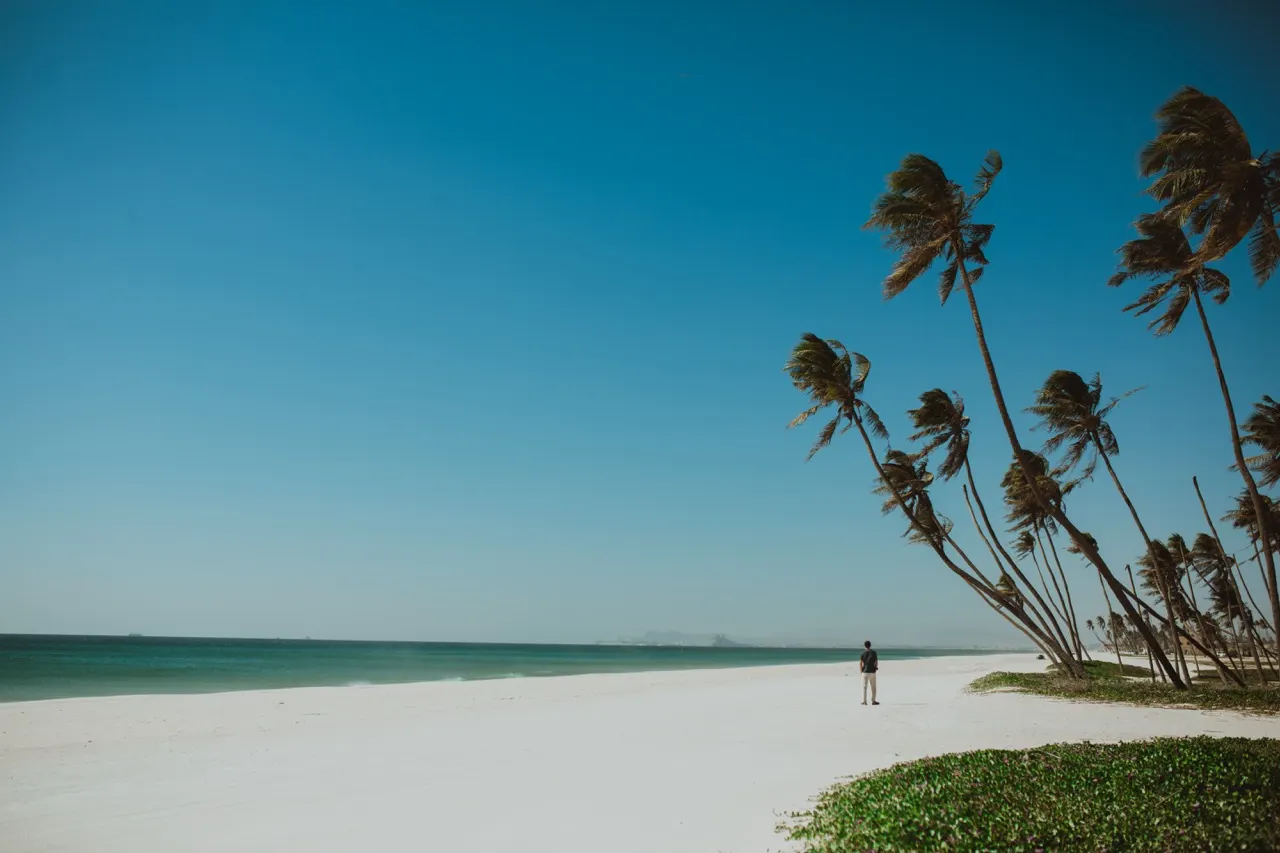
Oman sits on the south-east tip of the Arabian Peninsula. Three thousand kilometres of coast, two mountain ranges, the Empty Quarter on the southern flank, and a road network that lets a 4×4 cross from coastal souq to mountain terrace to dune camp in a single day. It is older, slower, and less crowded than its neighbours — a destination still defined by geography, not by built spectacle.
For European travel partners, this is the practical version of why we work in Oman, and how to brief us.
Why Oman, for B2B.
Your customers already know Dubai. Oman is the next sell: older, quieter, landscape-led, and easy to combine with the Emirates in one programme. For travel designers building luxury or specialty itineraries, it converts.
For groups, Oman has the right combination: international connectivity, a safety profile that survives the most cautious risk assessment, and set pieces that work for a full group: a desert dinner, a fort visit, a wadi swim.
For sustainability-conscious operators, Oman has a slow-tourism-by-design infrastructure. No mass-cruise port saturation, no over-tourism mitigation programmes, no heavy-handed influencer economy. The places we send your guests still belong to the people who live there.
When to go.
Oman has two seasons, with one regional exception worth programming around.
| Season | Months | Note |
|---|---|---|
| High season | Oct – Apr | Daytime 24–32°C across the country. Mountain nights 8–14°C; pack a fleece for Jebel Akhdar. |
| Shoulder | May, Sept | Coastal heat starts. Interior still workable. Lower rates. |
| Khareef (Salalah) | 21 Jun – 21 Sep | The official Khareef Dhofar season. The south-west monsoon turns Salalah and the Dhofar mountains green; greenest late July to August. The rest of the country is hot. A specialist trip, not a generalist one. |
| Summer (rest of Oman) | Jun – Aug | 40–48°C. Operationally challenging; we run early-morning starts, mountain stays, pool resorts. Doable, but not for everyone. |
| Ramadan | Feb – Mar 2027 | Exact dates are set by moon sighting. Groups run as normal with adjusted lunches: hotel restaurants stay open to non-Muslim guests, and in practice your clients notice little difference. By law nobody eats, drinks or smokes in public during daylight hours, visitors included; we brief every group on this. Eid al-Fitr follows at the end of the month; expect heavier traffic in Muscat around it. |
Visa & logistics.
Nordic, EU, UK, US, Canadian and Australian passport holders enter Oman visa-free for up to 14 days, with a passport valid six months from arrival, a return or onward ticket, a hotel confirmation and travel insurance. Stays beyond 14 days need the Royal Oman Police eVisa, applied for online before departure. In August 2026 the Royal Oman Police announced a free, applied-for 14-day tourist visa; the list of eligible nationalities is still pending.
Entry rules change without much notice. Before travel, check the Royal Oman Police visa portal and your own foreign ministry's advice for Oman. Passports and visas are the traveller's responsibility and not part of our service; we deliver the land programme, including the hotel confirmation the border may ask for.
Official sources.
- Oman — Royal Oman Police visa portal
- Norway — Utenriksdepartementet, reiseinformasjon Oman
- Sweden — Utrikesdepartementet, reseinformation Oman
- Denmark — Udenrigsministeriet, rejsevejledning Oman
- Finland — Ulkoministeriö, matkustustiedote Oman
- Germany — Auswärtiges Amt, Oman
- Netherlands — Nederland Wereldwijd, reisadvies Oman
- France — Conseils aux voyageurs, Oman
- Italy — Viaggiare Sicuri, Oman
- Spain — Recomendaciones de viaje, Omán
- United Kingdom — FCDO travel advice, Oman
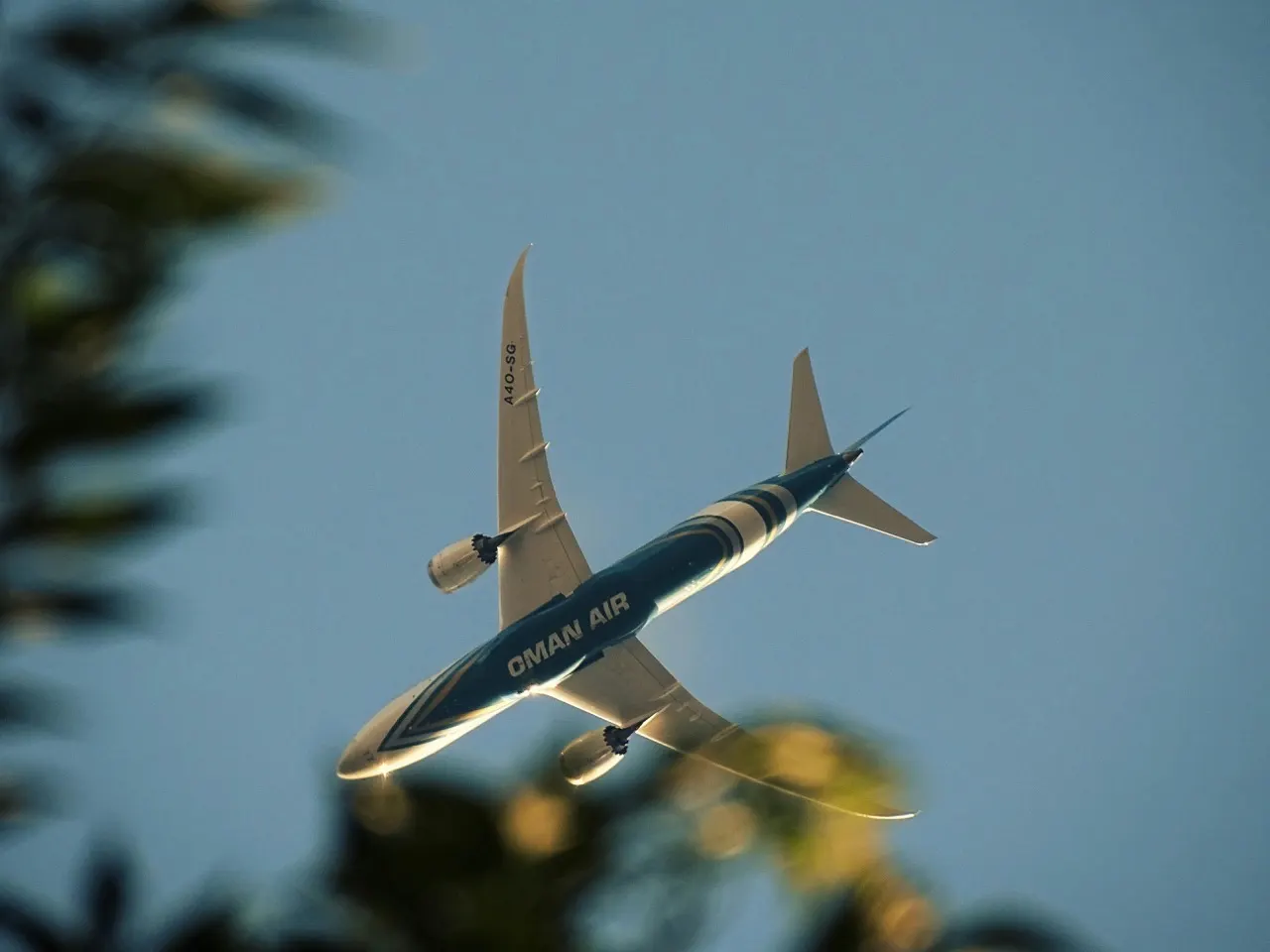
Getting here. Oman Air flies non-stop to Muscat from London Heathrow, Paris, Amsterdam, Frankfurt, Munich and Zurich, and from Istanbul; frequencies change by season. From Oslo, Stockholm, Copenhagen and Helsinki it is one stop via Doha, Dubai, Abu Dhabi, Frankfurt, Amsterdam or Istanbul, around ten to twelve hours. Muscat (MCT) is the arrival point; Salalah (SLL) for Dhofar-only programmes. Flights are booked on your side, not by us; we build the land programme around the arrival you choose.
Language. Arabic is official. English is widely spoken in hospitality, healthcare, and government. Other European languages are not common on the ground. Our office corresponds in English, Norwegian, Swedish, Danish and Arabic; German-, French- and Italian-speaking guides on request.
Safety.
Oman ranks 6th of 140-plus countries on Numbeo's 2026 mid-year Safety Index (81.7) — above Denmark (73.2), Finland (73.7), Norway (66.4) and Sweden (52.2). Muscat's crime index is 18.6 against Oslo's 34.3 and Stockholm's 46.2. Functioning rule of law, low crime, a police presence you barely notice. We brief solo travellers on dress, transport and hotel choice, and the driver is the same person all week.
Your foreign ministry's advice, not a crowd-sourced index, is what your insurer and your risk desk key off. We monitor the European advisories daily in season and confirm the position for every booking. Live status of 10 European government travel advisories for Oman, updated daily
The situation in 2026.
Since the 2026 regional conflict in the Gulf, several European foreign ministries cite regional tensions in their travel advice for Oman and the wider Gulf. The advice differs by country and is reviewed regularly, so your own ministry's current position is the one that counts.
None of the 10 European governments checked advise against travel to Oman. Four of them mark certain areas as not recommended: Musandam, the Yemen border area, Duqm and Salalah. No government advises against travel to Muscat, the Hajar mountains, Nizwa or the Wahiba Sands. Live status of 10 European government travel advisories for Oman, updated daily
Geography.
Oman runs along the Arabian Sea from the Strait of Hormuz down to Yemen. The country is roughly the size of Italy, with five distinct landscapes:
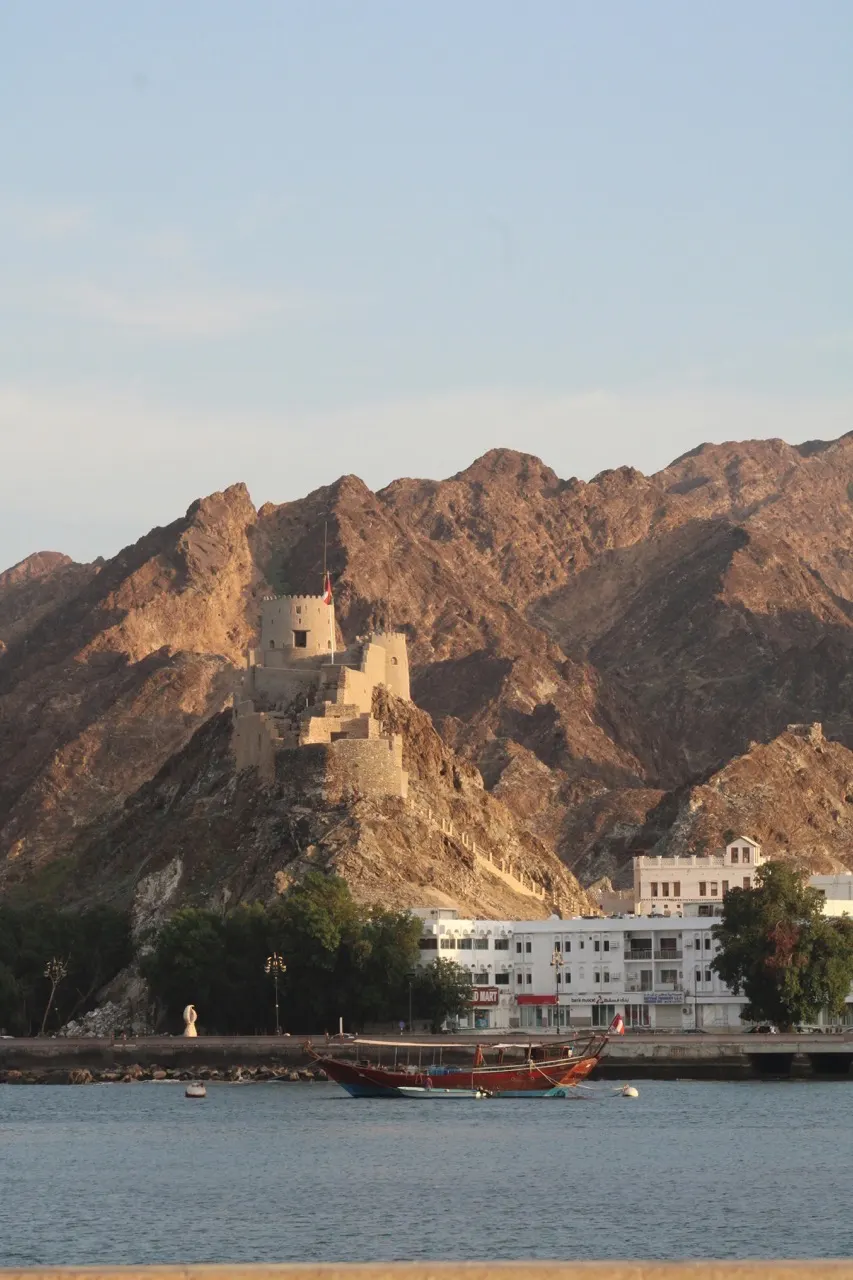
- Coastal Muscat & Batinah. The capital and the long agricultural coast running north to Sohar — date palms, fishing villages, sea-facing forts.
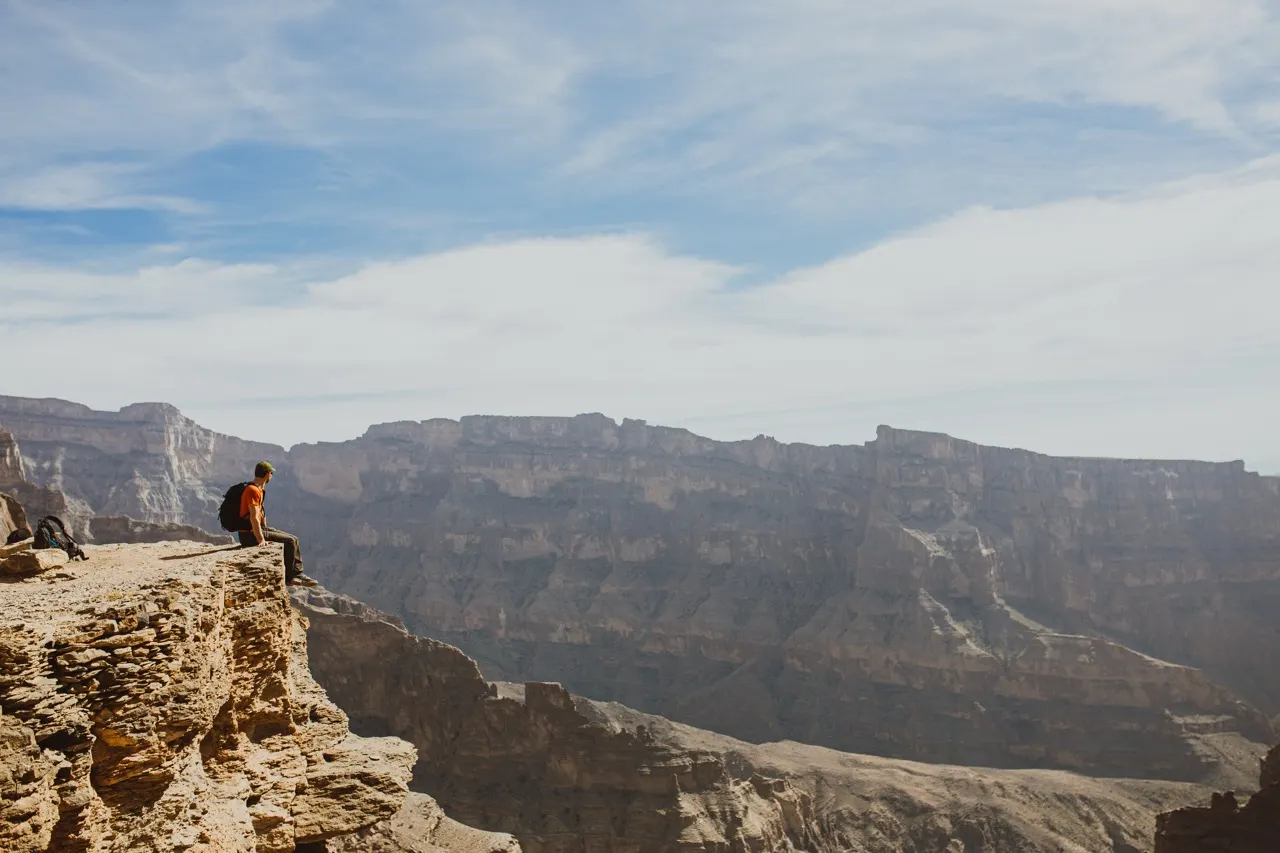
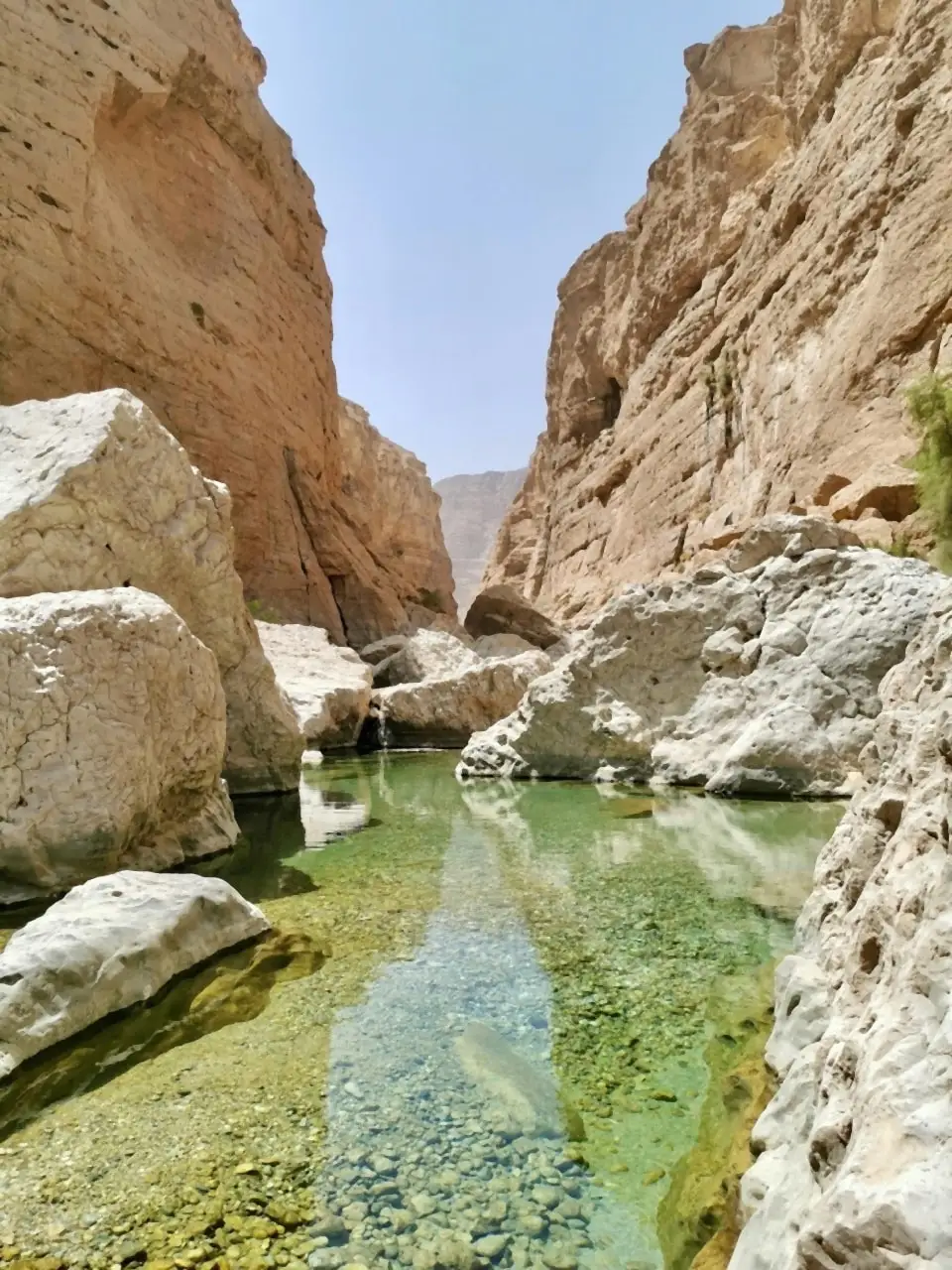
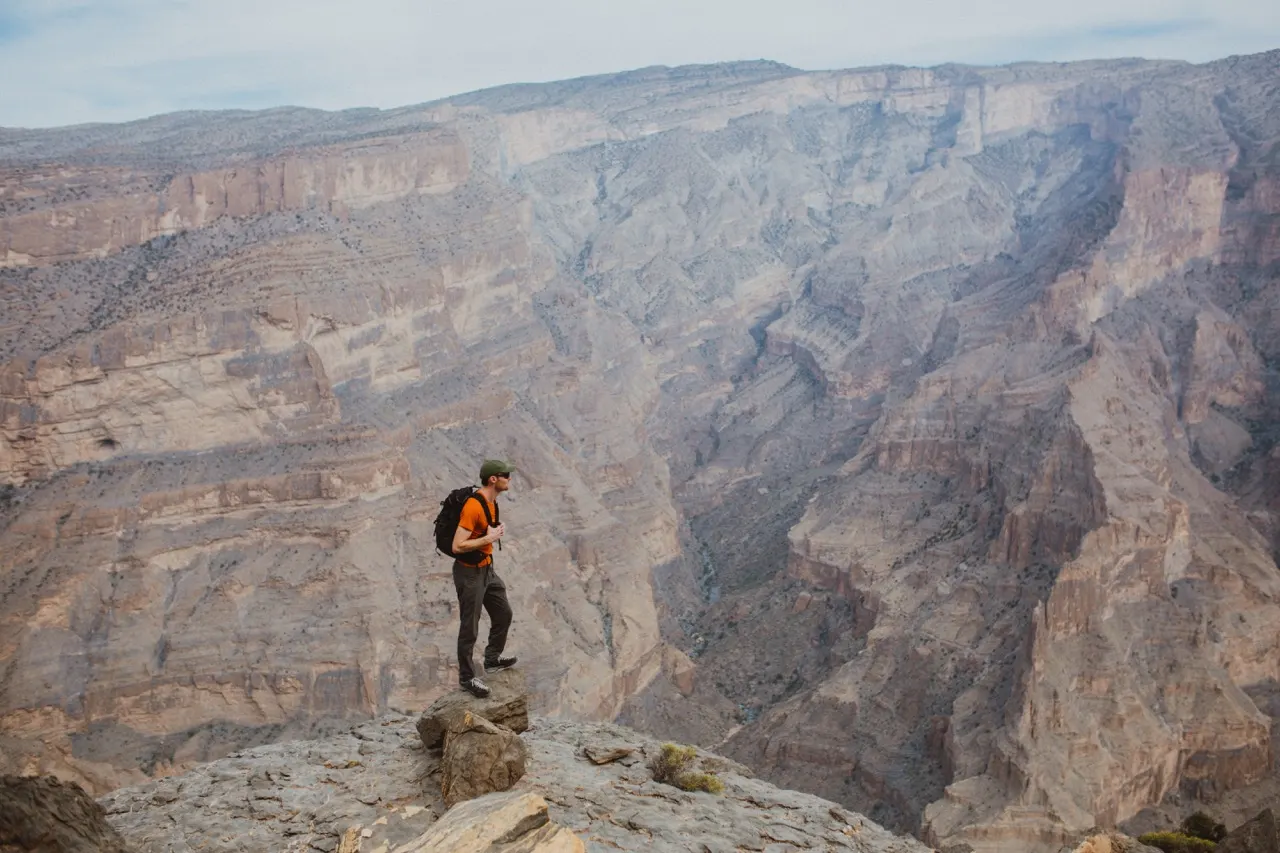
- The Hajar mountains. Two ranges separating Muscat from the interior. Jebel Akhdar (the Green Mountain) terraces; Jebel Shams (the Sun Mountain) and the Grand Canyon of Arabia.
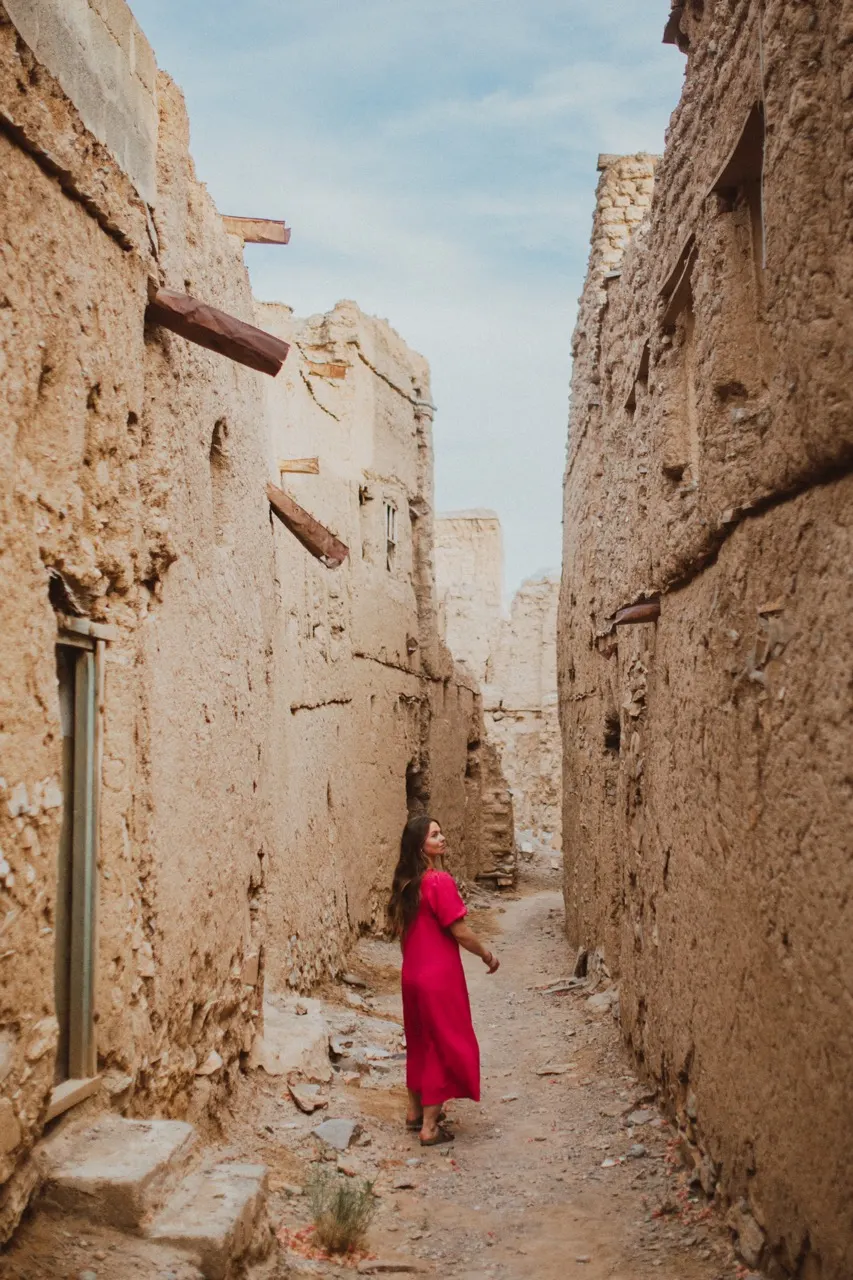
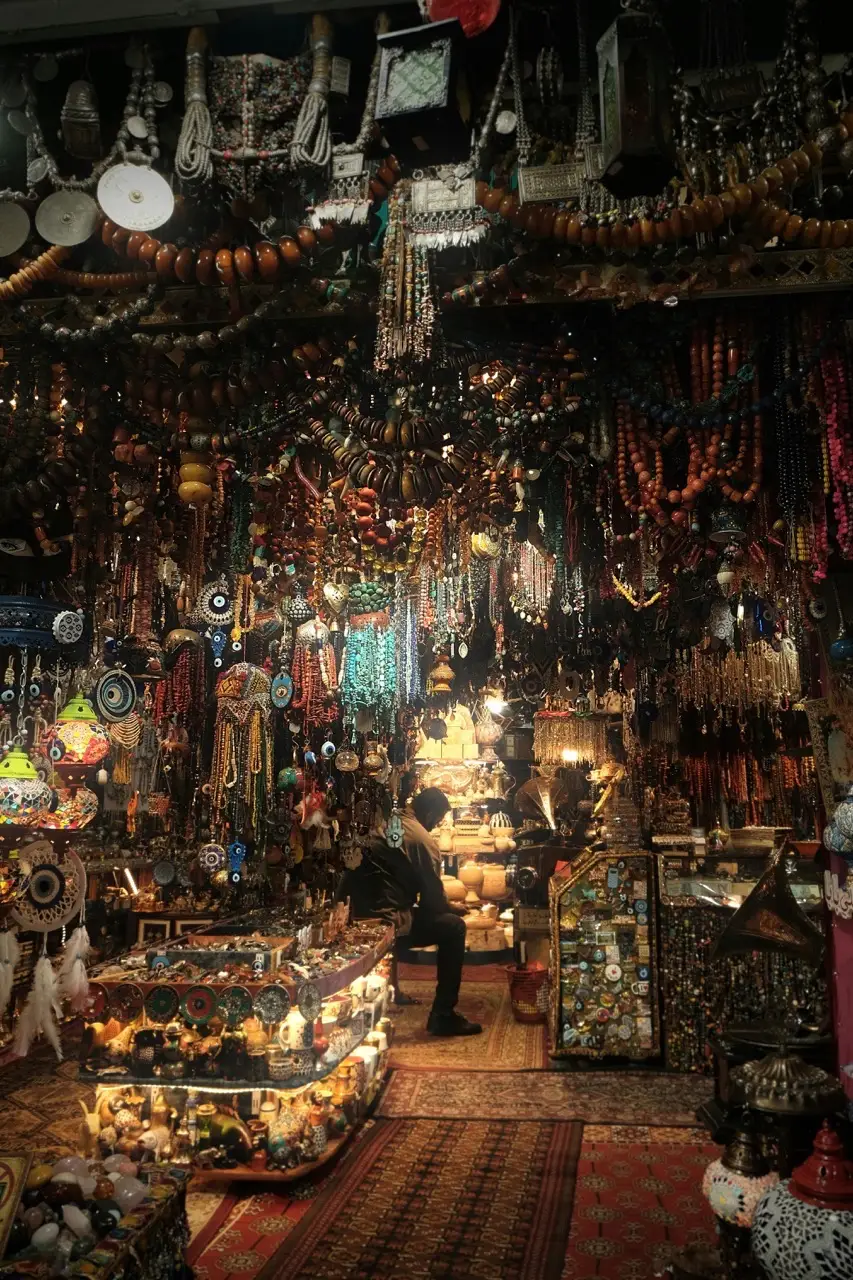
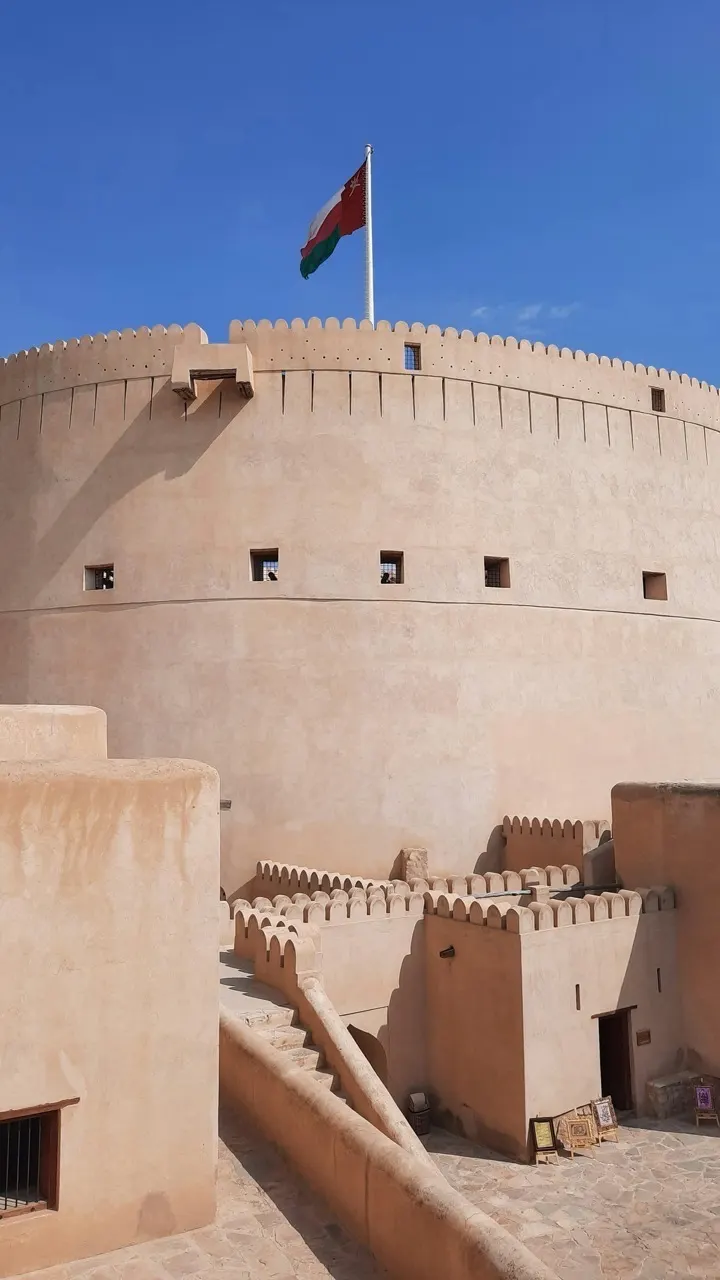
- The interior & Nizwa. Old falaj-fed oases, mud-brick forts, the Friday goat market.
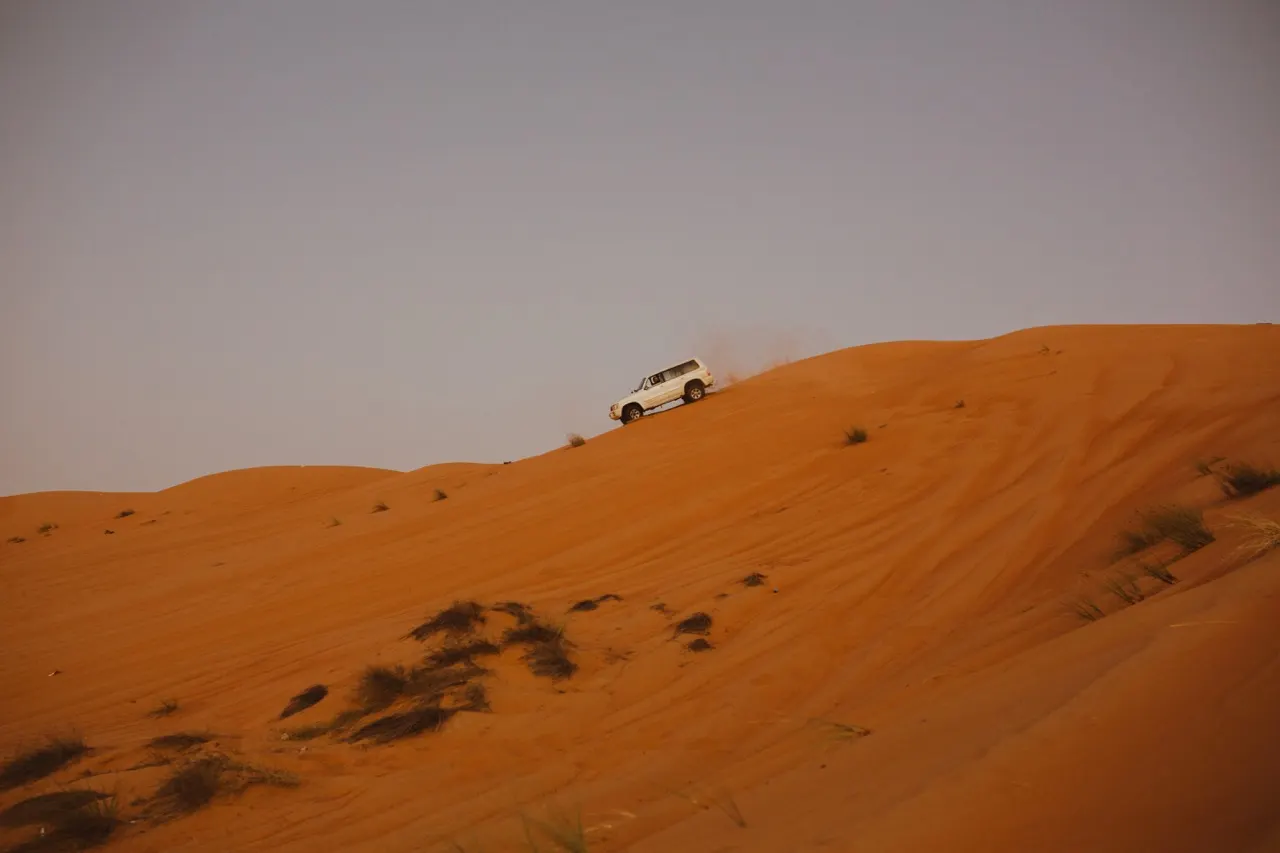
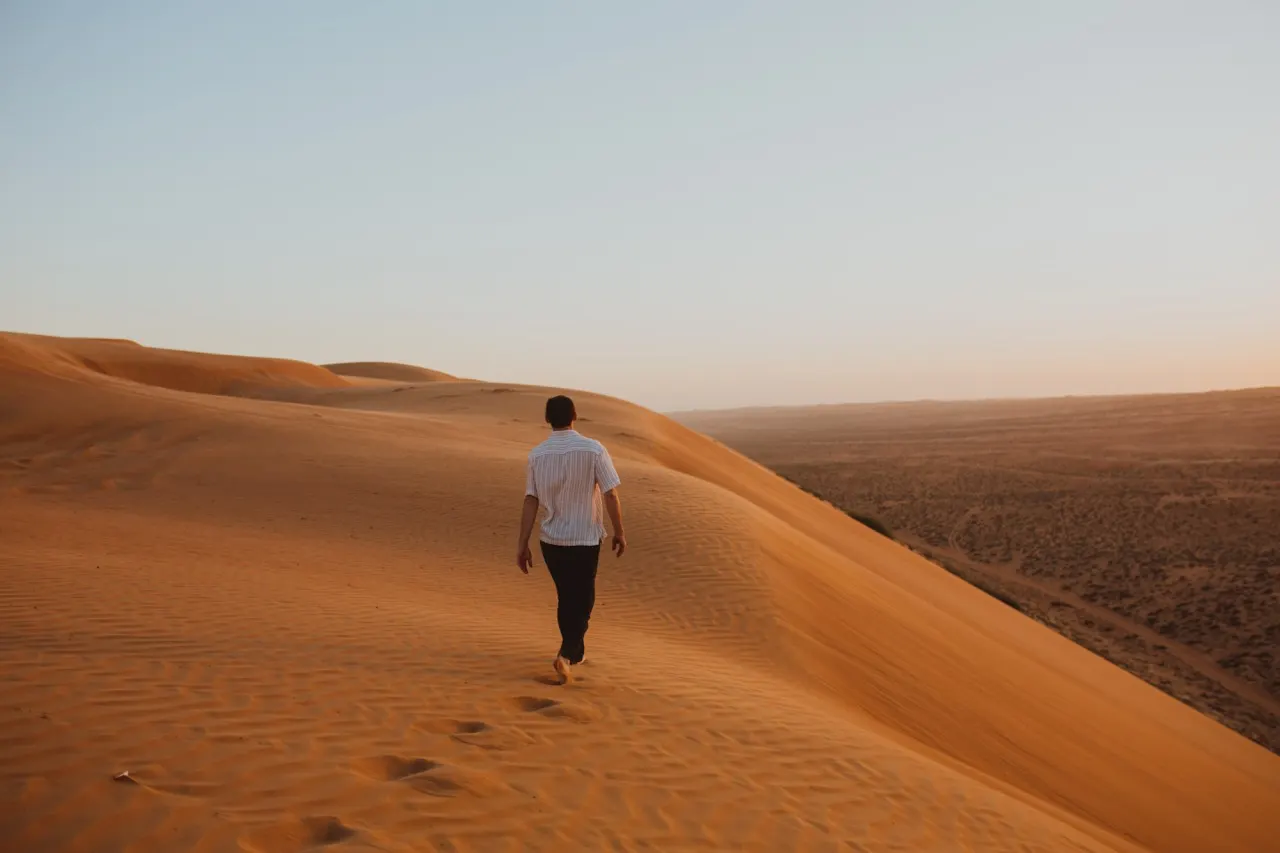
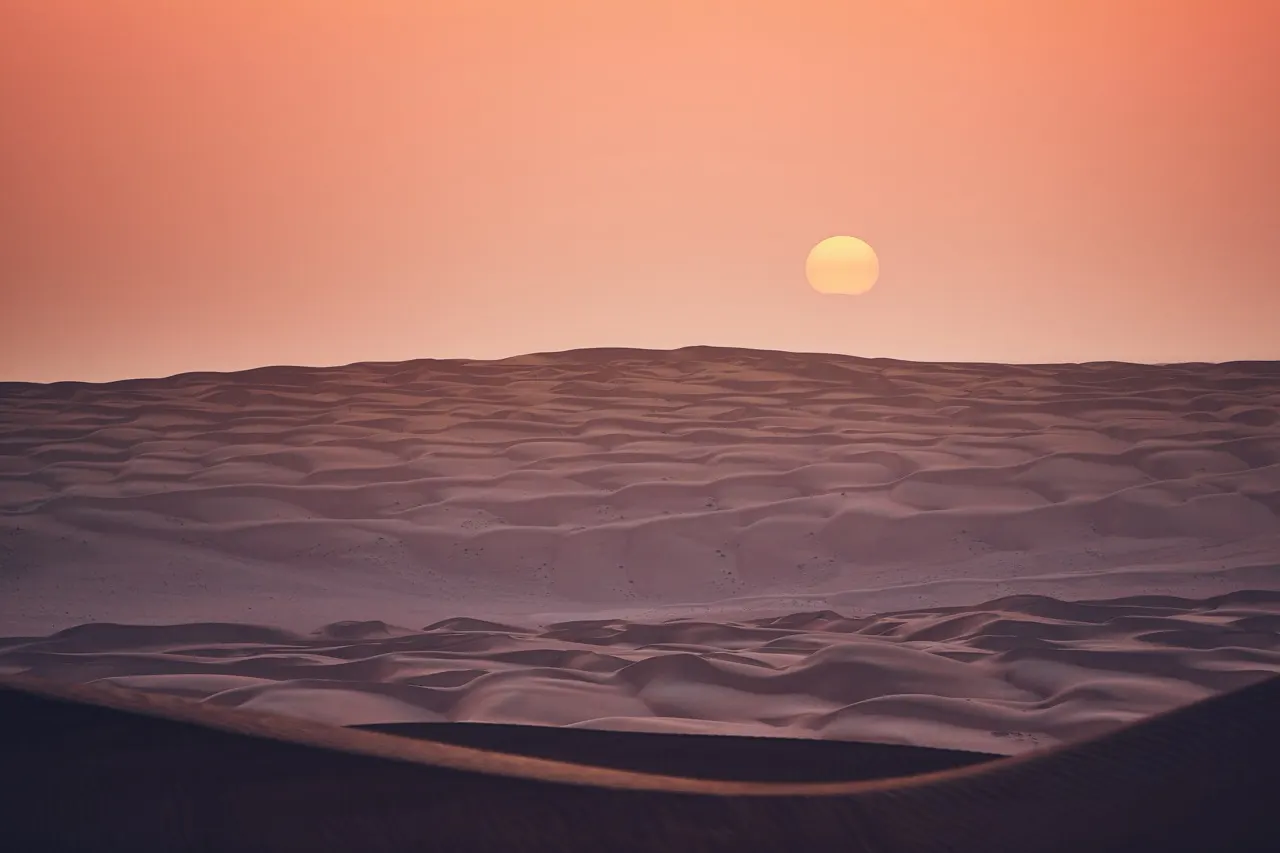
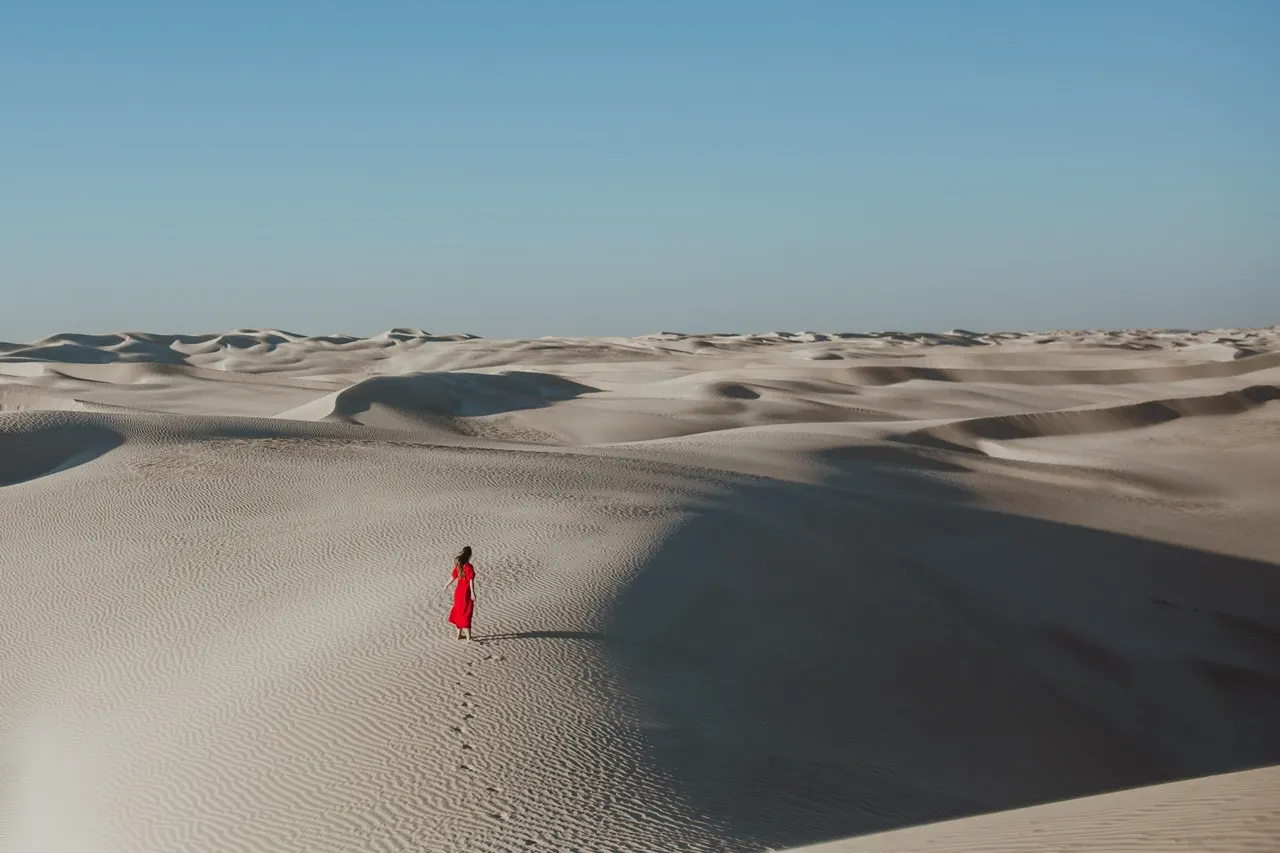
- Wahiba Sands & the Empty Quarter. Two desert systems — the Wahiba a manageable 12,500 km² of dune crossing, the Rub' al Khali a different scale entirely.
- Dhofar & Salalah. The southern coast that turns green for ninety days a year during the khareef monsoon.
Culture & customs.
Dress.
Oman is a Muslim country, known across the region for its religious tolerance. In public, modest dress is expected — shoulders and knees covered, no transparent fabrics. At hotel pools and beaches inside resorts, normal swimwear is fine. For mosque visits we provide guidance and, if needed, head coverings.
Greetings.
As-salāmu ʿalaykum in any setting; shukran for thank you. Handshakes between men and women may not be customary depending on the host's preference; we brief guides and travellers.
Alcohol.
Available to non-Muslims aged 21+ inside licensed hotels and restaurants. Public drinking is illegal. Meal pairings inside hotel restaurants work normally. Wine outside hotels is rare and often imported.
Food.
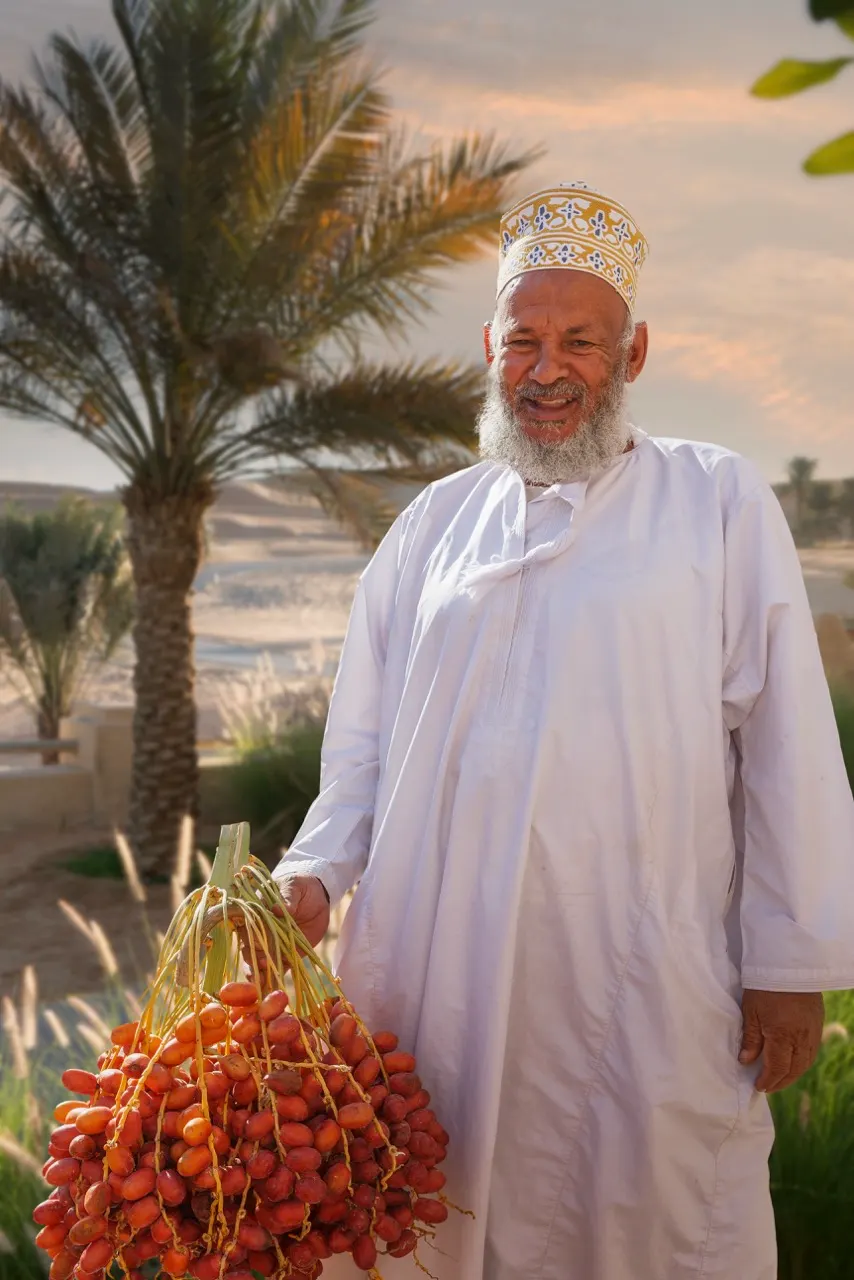
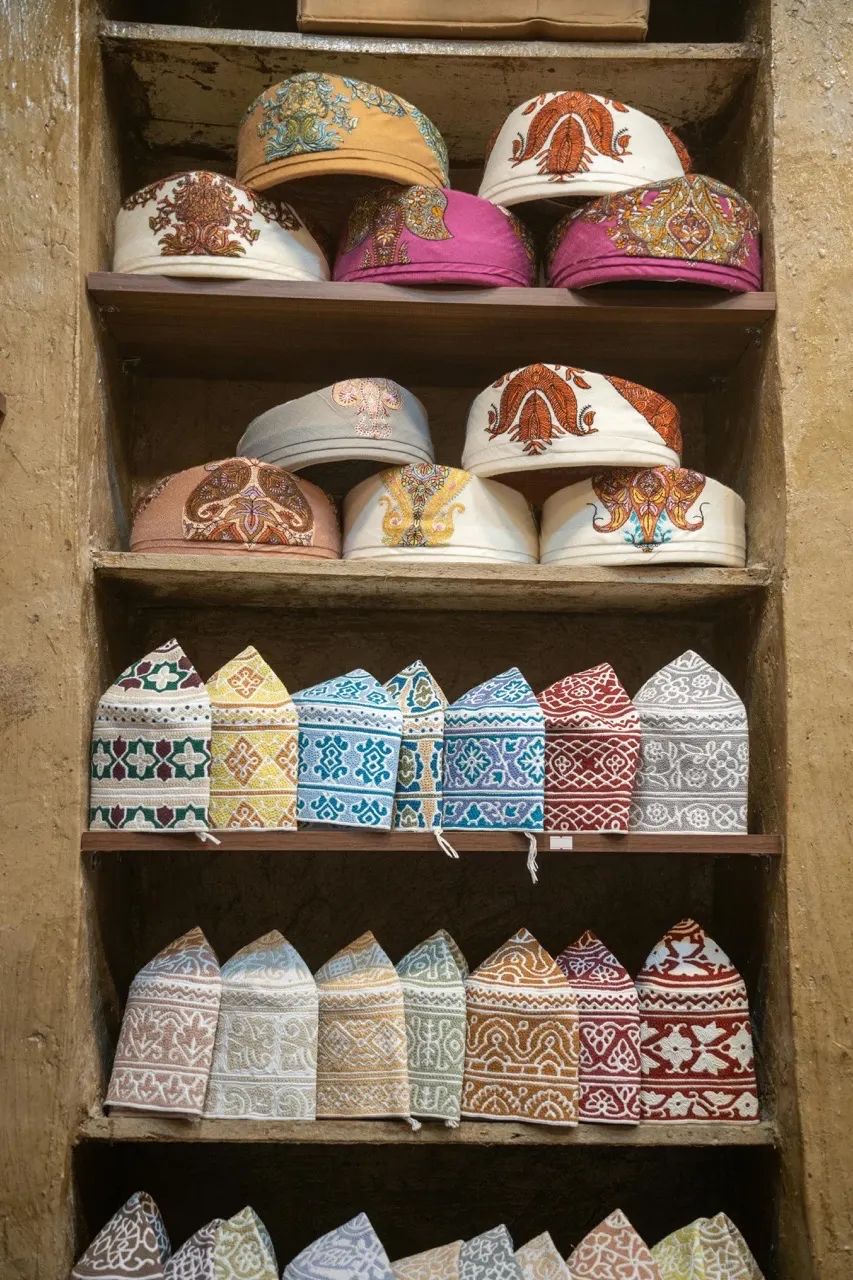
Halwa, dates, kahwa (cardamom coffee) at every welcome. Shuwa — slow-roasted lamb wrapped in palm leaves — for groups and special meals. Fish on the coast. Hospitality is the point: kahwa and dates before business, every time.
A short history.
Oman's written record begins around 2300 BC, when Sumerian texts name Magan, in today's Oman, as the source of their copper. The frankincense trade then ran through Dhofar for two thousand years. Sur was a major shipbuilding port; Omani vessels reached East Africa, Persia and the Gulf.
Oman was an early adopter of Islam by choice rather than conquest, in the 620s AD. The Mazin bin Ghadouba (Al-Midhmar) Mosque in Samail, founded around 627 AD, is the oldest mosque in Oman. From the 17th century the Omani empire reached Zanzibar and the Swahili coast. The country was renamed the Sultanate of Oman in 1970 under Sultan Qaboos, who governed for fifty years and led the modernisation that produced the country travellers see today. Sultan Haitham bin Tariq has held the title since January 2020.
By the numbers.
- 5.4 million population (NCSI, 2026)
- 3,500+ h of sunshine a year in Muscat
- About 43% expatriate population
- 3,165 km of coastline
- UTC+4, no daylight saving — 3 h ahead of Oslo, Stockholm and Copenhagen in winter, 2 h in summer; 2 h / 1 h ahead of Helsinki
Common questions.
- When is the best time to visit Oman?
- October to April for most of the country. Late June to late September for Salalah, when the khareef monsoon turns Dhofar green: the official Khareef Dhofar season runs 21 June to 21 September, greenest late July to August. Arabian Wonders runs both seasons every year.
- Can we run trips to Oman during Ramadan?
- Yes. Arabian Wonders runs groups and FITs through Ramadan as normal: in 2027 it falls in February and March, with the exact dates set by moon sighting, and hotel restaurants stay open to non-Muslim guests, so lunches and timings are planned around it. In practice your clients notice little difference, apart from heavier traffic in Muscat around Eid al-Fitr at the end of the month. One rule applies to everyone, visitors included: no eating, drinking or smoking in public during daylight hours. We brief every group on it.
- Do tourists need a visa for Oman?
- Nordic, EU, UK, US, Canadian and Australian passport holders enter Oman visa-free for up to 14 days with a passport valid six months from arrival, a return ticket, a hotel confirmation and travel insurance; stays beyond 14 days need the Royal Oman Police eVisa. A free applied-for 14-day tourist visa was announced in August 2026, nationality list pending. Rules change, so check the Royal Oman Police portal and your foreign ministry's advice before travel. Passports and visas are the traveller's responsibility; Arabian Wonders handles the land programme only.
- Is Oman safe for travellers?
- Oman ranks 6th of 140-plus countries on Numbeo's 2026 mid-year Safety Index, above Denmark, Norway and Sweden. Your foreign ministry's current advice is what your insurer keys off, so check it before departure; Arabian Wonders monitors the European advisories daily in season.
- Is Oman safe to visit right now?
- None of the 10 European governments checked advise against travel to Oman. Four of them mark certain areas as not recommended: Musandam, the Yemen border area, Duqm and Salalah. No government advises against travel to Muscat, the Hajar mountains, Nizwa or the Wahiba Sands. Norway advised against non-essential travel from 28 February to 28 April 2026 and withdrew that advice. Arabian Wonders publishes live status for ten European ministries at arabian-wonders.com/oman-travel-advisory.
- How does Oman compare to the UAE?
- Oman is older, slower, more landscape-driven and less crowded. The UAE is urban and built; Oman is geography and quiet. Clients who already know Dubai are the ones Arabian Wonders sees convert best.
- How long should an Oman itinerary be?
- Six to eight nights for the classic loop (Muscat, Jebel Akhdar, Nizwa, Wahiba Sands, Sur). Add one to five beach nights in Muscat or Al Sifa at the end, or plan six nights in Salalah, in and out, as a separate khareef trip. Arabian Wonders quotes every itinerary in nights, hotel by hotel.
Trade questions — rates, payment, licence, languages — are answered on Working with us.
We will design from your brief. Two paragraphs and a date range is enough to start.
Send a briefLooking for week-by-week inspiration — wadis, coastal drives, local stays? Our magazine Oman Weekend (opens in new tab) publishes new Oman itineraries every week.